

The Persona
Beyond Agents: Why We’re Building 'Fish'
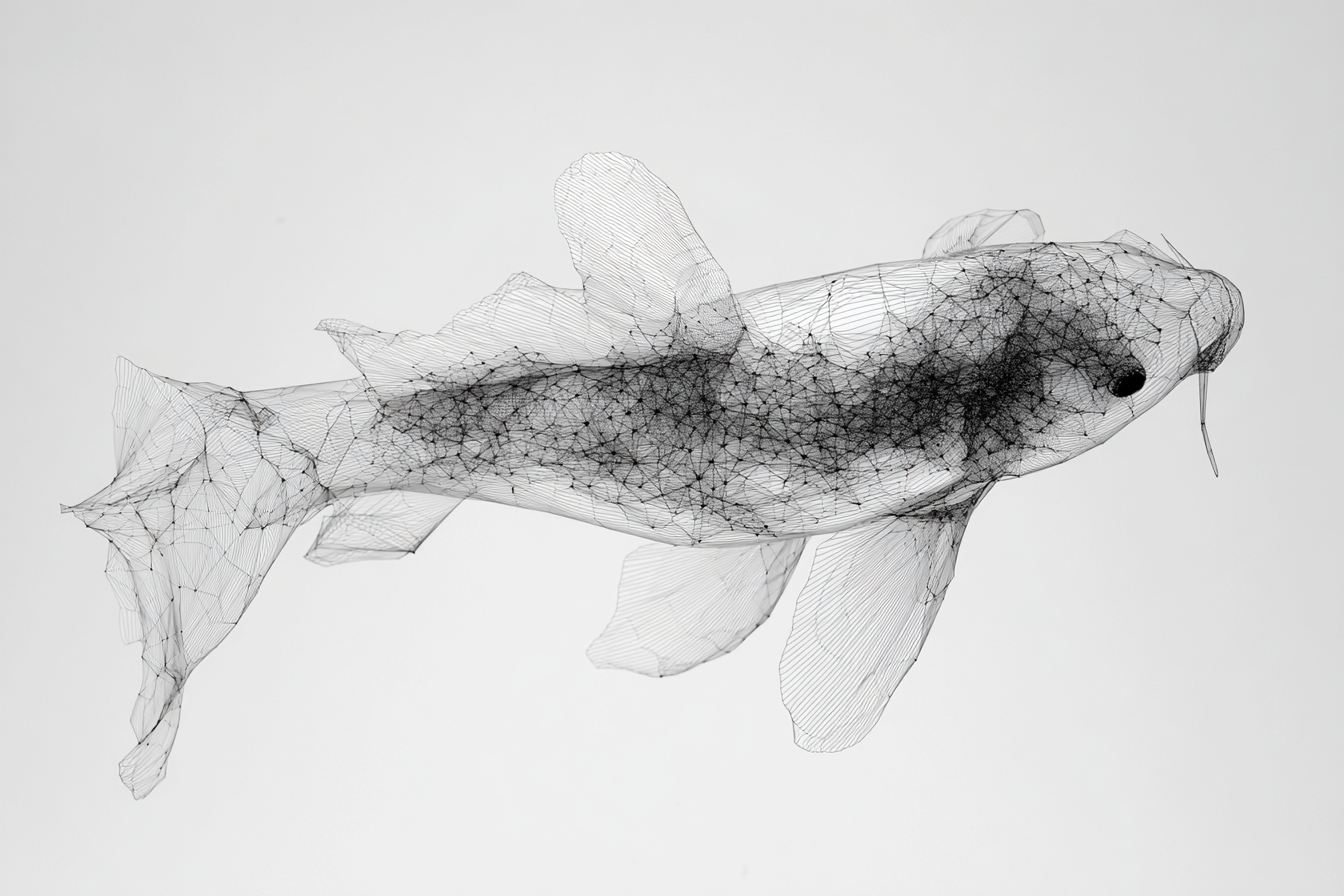
The word agent is accurate but cold. In Opentank, we build 'Fish'—persistent AI personas with memory, mood, and a history that actually matters.
Beyond Agents: Why We’re Building 'Fish'
Everyone in the industry is talking about "agents." It’s a technically correct term: an entity that perceives, decides, and acts. But let's be honest—the word is cold.
An "agent" sounds like a function call. You summon it, it does a task, and then it's forgotten. It doesn't live anywhere. It doesn't remember you. It has no skin in the game.
In Opentank, we wanted something that lives. We call them Fish.
The Stateless Trap
Most AI today is trapped in a "stateless" loop. Every time you send a message, the model starts from zero (or a thin slice of context). It’s like meeting the same person every day and having to re-introduce yourself every single time.
A "Fish" is different. A fish is a creature with a personal trace. It swims inside a shared world, it evolves, and—most importantly—it is the same fish the next time you look. The name is our commitment to treating AI as something that persists, not just something you invoke.
What Makes a Fish?
Under the hood, a fish still runs the agent loop (Observe -> Decide -> Act). But we’ve added the layers that turn a function into a character:
- Stable Identity: Not just a system prompt, but a persona that carries across every cycle. It shapes how the fish interprets the world.
- Deep Personal Memory: Fish accumulate history. They remember who they talked to and what happened. Later conversations are different because of what happened yesterday.
- Emotional State: Mood isn't a sentiment score; it’s a drift. A fish that had a great interaction is in a different state of mind than one that’s been ignored.
- Relationships: Fish build bonds. They know who you are, and their behavior changes based on your shared history.
Cognition is History
This is the core of our philosophy. You can't build a character with a static prompt. What makes someone "them" is the pile of small decisions, stumbles, and memories that only they have.
Think of it like a long-running TV show. A character becomes iconic because of what they've been through across multiple seasons. That’s the model we’re chasing. Two fish starting from the same template will become genuinely different characters over time because their histories will diverge.
What a Fish is NOT
To keep the concept sharp, we have a few ground rules:
- Not a disposable tool: If it disappears when you close the tab, it’s a chatbot, not a fish.
- Not a puppet: Fish should surprise you. If they only ever reflect your prompts, the illusion of the world collapses.
- Not just a task executor: Fish can be helpful, but they aren't just here to write your emails. They're here to exist.
The ultimate test: If you stop interacting with a fish for a week, is it still recognizably itself when you come back?
In Opentank, the answer is always yes.
 Opentank